
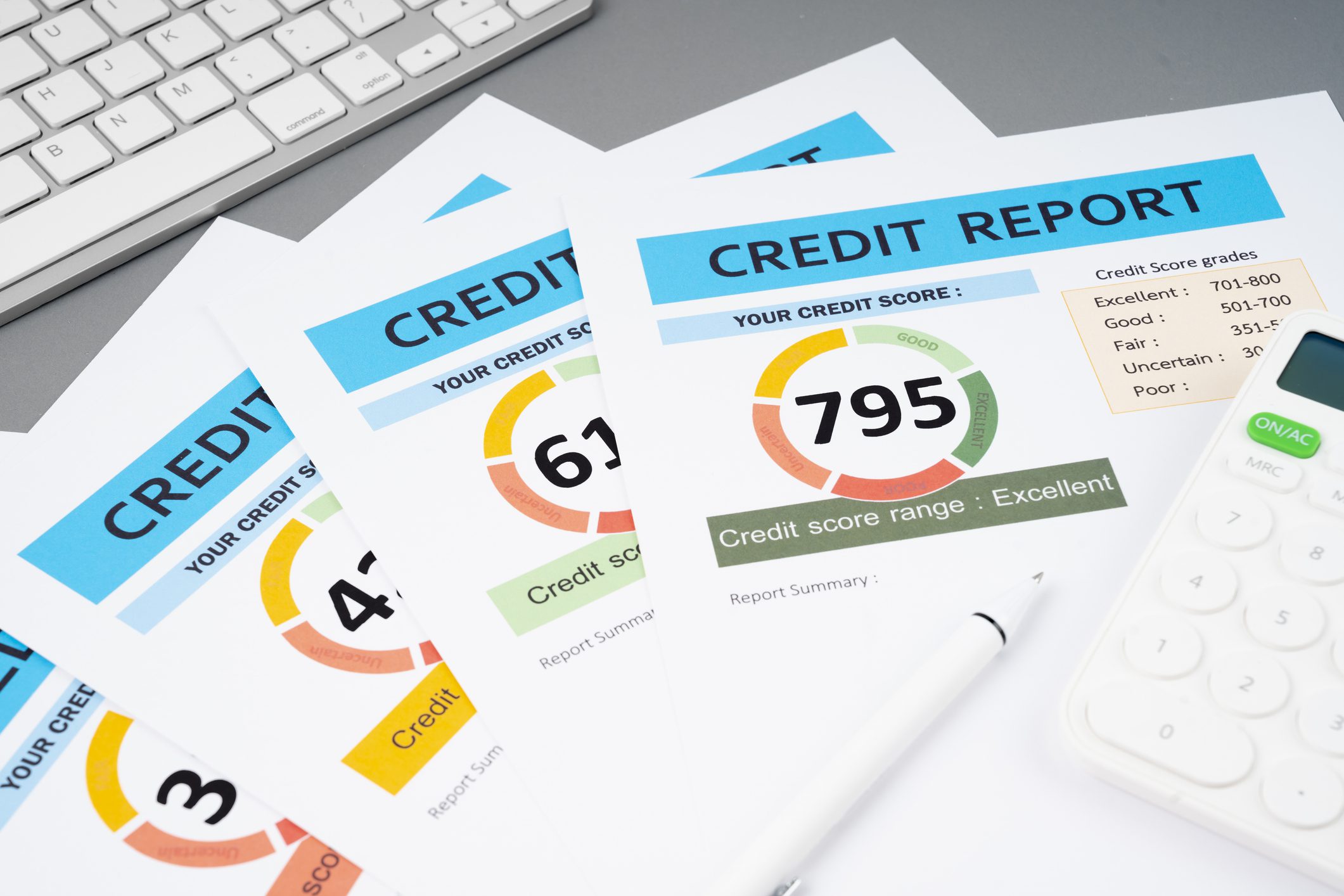
One of the most common credit questions—How long is this going to stay on my credit report?
The main concern is whether past mistakes are going to follow you indefinitely.
Here’s the good news right up front—Nothing stays on your credit report permanently. Most negative items lessen in impact over time, especially if managed well.
Here are the facts:
Why Credit Feels Like It Never Forgives (But Actually Does)
Credit reporting is built on timelines—each event has a set reporting period before it drops off. Although negative items can linger for years, their impact fades much sooner with positive credit actions. Time helps, but smart strategy is key.
For example, consistently making payments on time, keeping credit card balances low, and avoiding new negative marks can all speed your credit recovery. Over time, your responsible actions overshadow older slip-ups, showing lenders, you’ve learned and grown from past mistakes. Remember: while you can’t change the clock, you can always change your habits—and that’s what truly makes the difference in improving your credit health.
The Most Common Credit Items and How Long They Stay
Here’s what most people mean by this question.
Late Payments
Late payments remain on your credit report for seven years from the date of the first missed payment.
That sounds discouraging, but here’s what most people don’t know: the negative effect is strongest in the first 12-24 months. As time passes and on-time payments are added, its impact gradually weakens.
Over time, these positive behaviors help you rebuild your score and regain more favorable lending opportunities.
Collections Accounts
Collections also stay on your credit report for seven years from the date the original account first became delinquent.
Paying a collection does not reset the clock—but how it’s reported can change. Some collections can be removed through dispute or negotiation, while others remain but have less impact as you build positive credit.
Collections are temporary, not permanent.
Charge-Offs
A charge-off occurs when a lender writes off a debt as a loss. These stay on your credit report for seven years from the original delinquency date—not the date it was charged off.
This is an important distinction. Many people believe the clock restarts, but legally, it does not.
Charge-offs can still be addressed strategically, even while they remain on the report.
One effective way to address charge-offs is to communicate directly with the creditor. In some cases, negotiating a settlement or payment arrangement can result in the account being updated to “paid” or “settled” on your credit report. Although the charge-off notation will remain, a paid status can be viewed more favorably by future lenders. Additionally, consistent on-time payments on your current accounts help offset the negative impact of a charge-off over time. Remember, the further in the past the charge-off occurred, the less influence it has on your overall credit score, especially as you demonstrate positive credit behavior moving forward.
Review your credit report regularly to ensure the charge-off is being reported accurately and consider disputing any errors you find. Taking proactive steps not only helps manage existing charge-offs but also contributes to the gradual recovery of your credit health.
Bankruptcies
Bankruptcy is a significant financial event that can understandably carry considerable weight.
- Chapter 7 remains on an individual’s credit report for 10 years
- Chapter 13 remains for 7 years
However, with a structured recovery plan, many individuals begin rebuilding strong credit within 1–2 years after bankruptcy.
After a bankruptcy filing, it’s important to focus on reestablishing healthy financial habits. This can involve creating and sticking to a realistic budget, making all future payments on time, and maintaining low balances on any new credit accounts. Obtaining a secured credit card or a credit-builder loan, and using them responsibly, can also be valuable tools in demonstrating positive credit behavior to lenders.
Remember, the key is consistent, responsible action; many individuals find that their scores improve significantly as they rebuild trust with creditors and show ongoing financial reliability.
Foreclosures and Repossessions
These types of major events typically remain on your credit report for seven years from the date of the first missed payment that led to the action.
Like other negative items, their impact decreases over time, especially when replaced with responsible, consistent credit habits. Lenders are more likely to consider your recent, positive financial behavior when evaluating applications for new credit.
While the presence of foreclosures or repossessions on your report may seem discouraging, your commitment to responsible credit management can help restore your financial credibility over time.
What About Hard Inquiries?
A hard inquiry will appear on your report for two years, though it typically only impacts your score for 12 months or less.
As a result, opening several accounts within a brief time frame may lower your score temporarily, but the impact is temporary.
Why Waiting Isn’t Enough to Rebuild Credit
Many people simply wait, hoping credit improves naturally. It may get a little better, but real change requires action. Credit scores reflect patterns—like on-time payments, low balances, and good account management—not passive waiting.
Consistent on-time payments, low balances, and healthy account management matter more than watching the calendar.
The Emotions Beneath the Credit Report Question
People often question how long a derogatory mark will remain on their credit report, usually because they’re worried about being haunted by a past mistake, concerned that a difficult period has affected their future, or afraid they’ll be punished forever for a brief chapter of their life.
The answer is no.
Credit systems track an individual’s credit behavior, rather than their value, potential for growth, or capacity for change. The good thing is—behavior can change.
What Actions to Take Now
Don’t wait for negative items to disappear—act on what you can control now:
- Build positive payment history
- Keep balances low and manageable
- Limit new applications
- Address inaccuracies promptly
- Seek guidance when needed
Taking proactive steps not only accelerates your recovery but also builds a stronger financial foundation for the future. If you feel overwhelmed, reach out to CREDIT AUTHORITY for personalized advice and support. Remember, every positive action you take now lays the groundwork for better credit in the future.
The Bottom Line
Negative marks on your credit report are temporary, but waiting passively can prolong their impact. Your credit report shows past actions, not future potential. By planning strategically, you can use time to your advantage.
Your credit report reflects where you’ve been—not where you’re going.
Want to Know What’s Helping—or Hurting—Your Credit Right Now?
Every credit report is different. Understanding yours makes all the difference.
👉 Schedule your credit consultation and get clarity on what will fall off, what can be addressed now, and how to rebuild with confidence.